- Merito
- Posts
- One Celebrity Post or 25 Nano Influencers?
One Celebrity Post or 25 Nano Influencers?
The Follower Count Lie
D2C x Nano Influencers
Hey readers,
Welcome to the Fourteenth edition of D2C Cents!
TLDR - We are your scroll-friendly, no-fluff download of what's shaping India's D2C brands.

This edition? We break down why your influencer budget might be backwards, and how to fix it.
India’s influencer marketing industry is set to grow at high-teens to 25% through 2026, with the tracked market at around ₹3,500–₹4,000 crore, and total brand spend higher when direct creator deals are included.
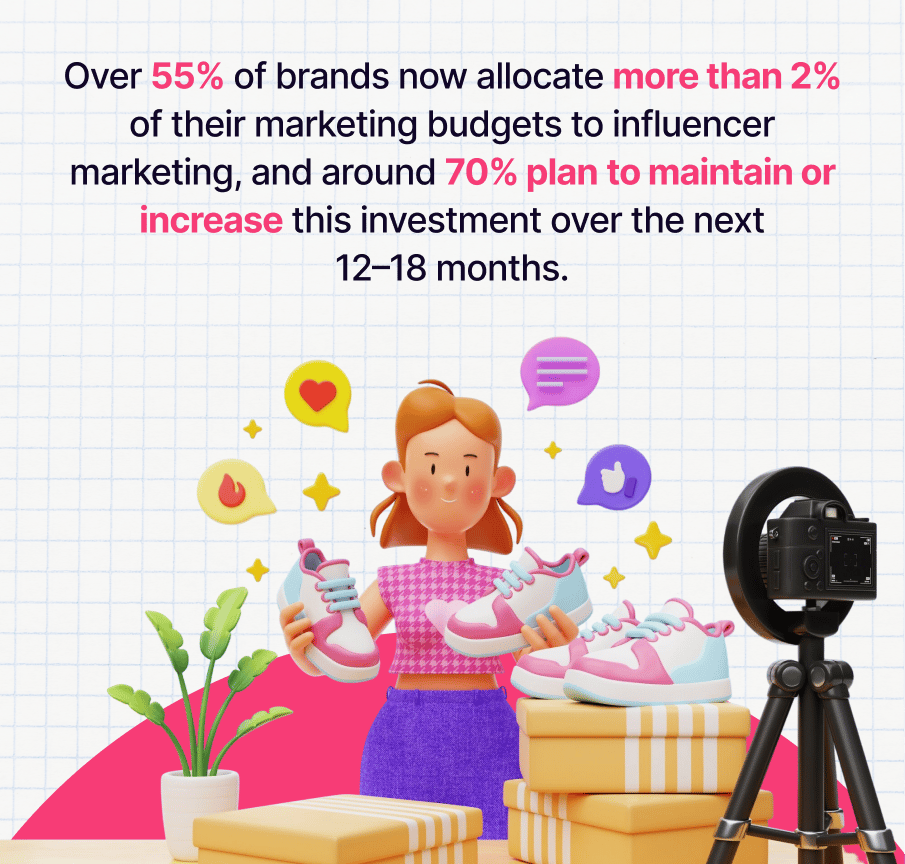
The money's flowing. But are brands spending it right?
Because there's a gap between what looks impressive and what actually works. And once you see the numbers, you can't unsee them.


Everyone wants an influencer with a million followers.
Makes sense, right? More followers = more reach = more sales.
Except that's not how it works anymore.
In 2024, Instagram users engaged with nano-influencers (under 10K followers) at a rate of 1.73%, compared to macro-influencers at just 0.61%. That's nearly 3x higher engagement.
But engagement is just the start. Let's talk conversions, because that's what actually pays your bills.
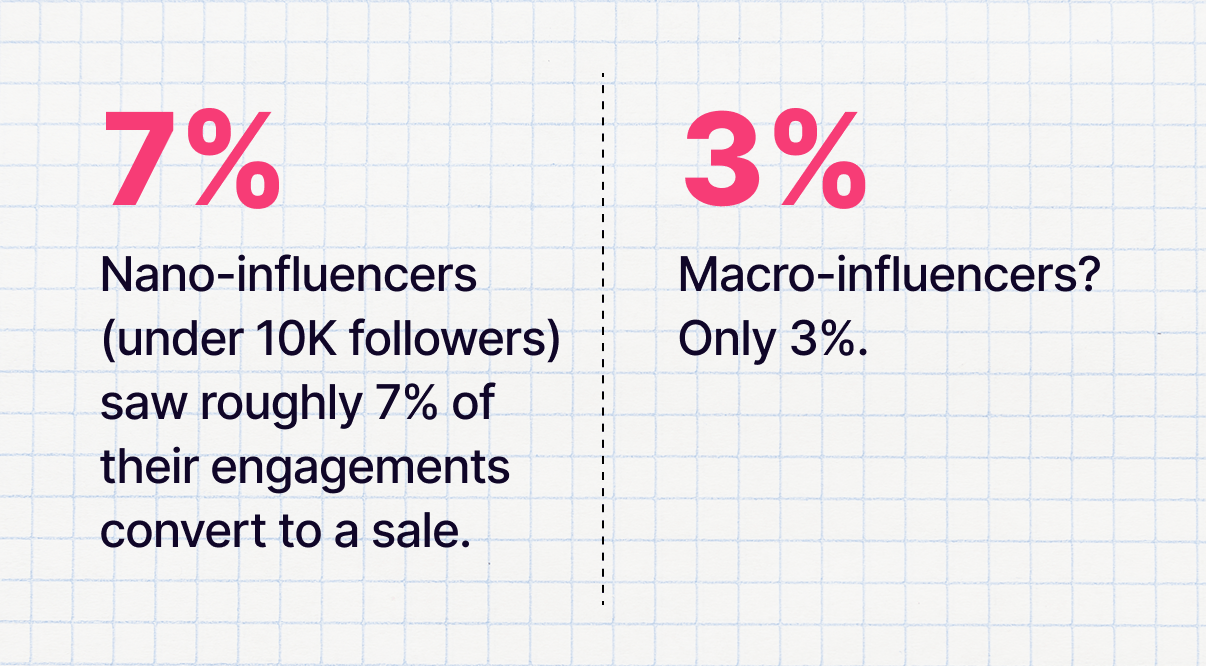
Not 7% vs 6%. Not even 7% vs 5%.
7% vs 3%. More than double.
Think about what that does to your customer acquisition cost.
If you're paying ₹50,000 for a macro influencer post that converts at 3%, versus ₹2,500 for a nano influencer post that converts at 7%, the math isn't even close.

Trust scales inversely with follower count.
When someone with 850,000 followers promotes your brand, viewers realize it's a paid deal.
When someone with 28,000 followers talks about their experience, their followers see it as a personal tip from someone they trust, kind of like getting advice from a friend.
You know that friend who always finds the best restaurants, the perfect skincare products, the coolest new brands?
That's what a nano influencer is to their audience. When they recommend something, people listen.
When a celebrity with a million followers does it? Everyone knows it's a paycheck.
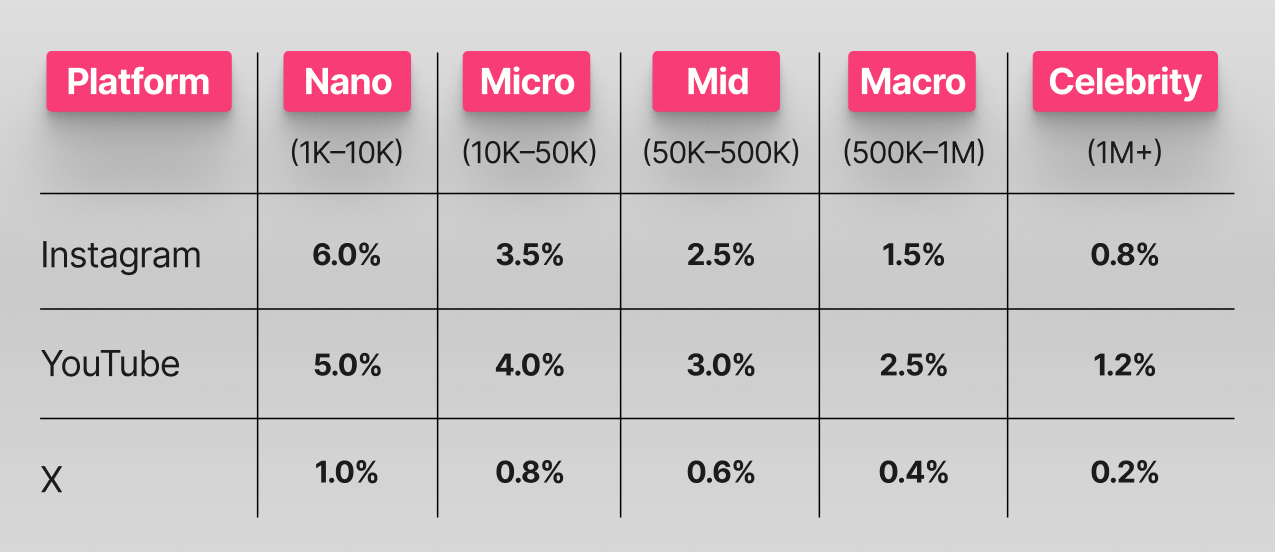
But there's another risk brands often forget: with macro influencers, you lose control over the narrative.
Remember the Samay Raina controversy? When a large influencer gets into trouble, every brand associated with them takes a reputational hit. With 20 nano influencers, if one faces backlash, your entire campaign doesn't collapse. It's risk diversification.
Let's talk money.
Nano influencers charge anywhere from ₹2,000 to ₹3,000 per post, while macro creators charge ₹50,000+.
Do the math: One macro influencer post = 20-25 nano influencer posts.
That's not just more posts. It's 20-25 different communities, 20-25 authentic voices, 20-25 separate audiences who trust their creator.
Micro-level influencers achieved about 20% higher conversion rates than bigger influencers.
So you're paying less AND getting better results. This isn't a trade-off. It's just... better.
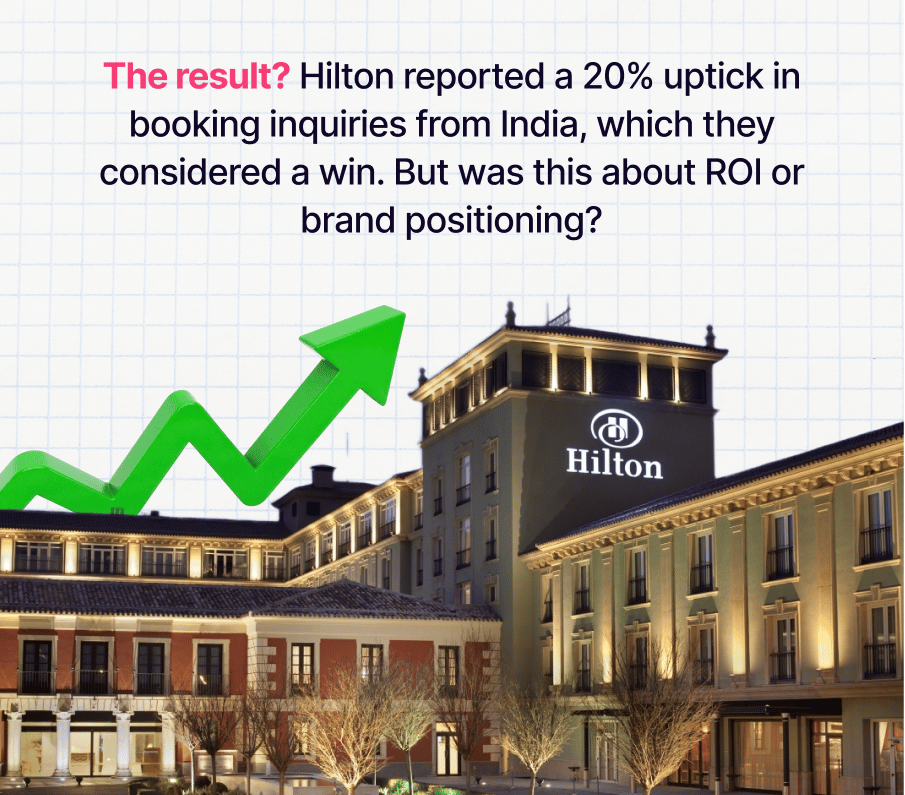
In August 2025, Deepika Padukone's Instagram reel for Hilton's "It Matters Where You Stay" campaign hit 1.9 billion views, one of the most-watched reels on Instagram globally.
But former Ola Electric marketing head Nitin Chandil did the math on LinkedIn. The reel received only 1.3 million likes, an engagement rate of about 0.07%, far below Deepika's usual 5%.

The playbook looks like this:
Start with 10-15 nano influencers in your exact niche: Not general lifestyle influencers. People whose entire feed is about what you sell.
• If you're a skincare brand, find people who only post skincare.
• If you're a fitness brand, find gym rats who actually use supplements.
Budget: ₹20,000-45,000 total. That's it.
Track everything: Unique discount codes, UTM links, affiliate tracking. You need to know exactly which influencer drives which sales.
After 30 days, you'll see 3-4 influencers will drive 70-80% of conversions. The rest will be noise.
Double down on those 3-4: Offer them long-term partnerships. 72% of brands are indicating a preference for long-term collaborations with influencers.
Because once you find someone whose audience actually buys, you milk that relationship.
Then layer in 5-10 micro influencers (10K-100K followers) for regional expansion: Budget: ₹50,000-1,50,000 depending on category.
These don't have to be in your exact niche; they can be lifestyle, regional, or category-adjacent influencers who have strong local followings.
• A fitness influencer can promote your healthy snacks.
• A mom blogger can promote your kids' products.
Only THEN, if you have budget left: Add 1-2 macro influencers for big launches or brand awareness pushes. But that's awareness budget, not conversion budget. Know the difference.
Allocate 15-25% of the digital budget. Mix nano + micro + macro creators based on campaign type.
The Content Bonus Nobody Talks About
You're not just paying for one post. You're paying for content you own.
Instagram Partnership Ads now lead the way for brands to reuse influencer content.
This goal has grown by 80% in the last year, making it the fastest-growing aim for brands working with micro-influencers.
Reels deliver ~2x more engagement than static posts in 2025. So when you're working with influencers, ask for a video. Every single time.

One more thing that'll blow your mind. Tier-2 and Tier-3 city creators are gaining prominence, with vernacular content becoming a key driver of engagement and conversions.
A nano influencer in Indore speaking Hindi about your product will convert better in that market than a Mumbai macro influencer speaking English. And they'll cost you ₹2,000 instead of ₹50,000.
Most brands are ignoring tier 2/3 influencers completely. Which means if you start now, you're early.
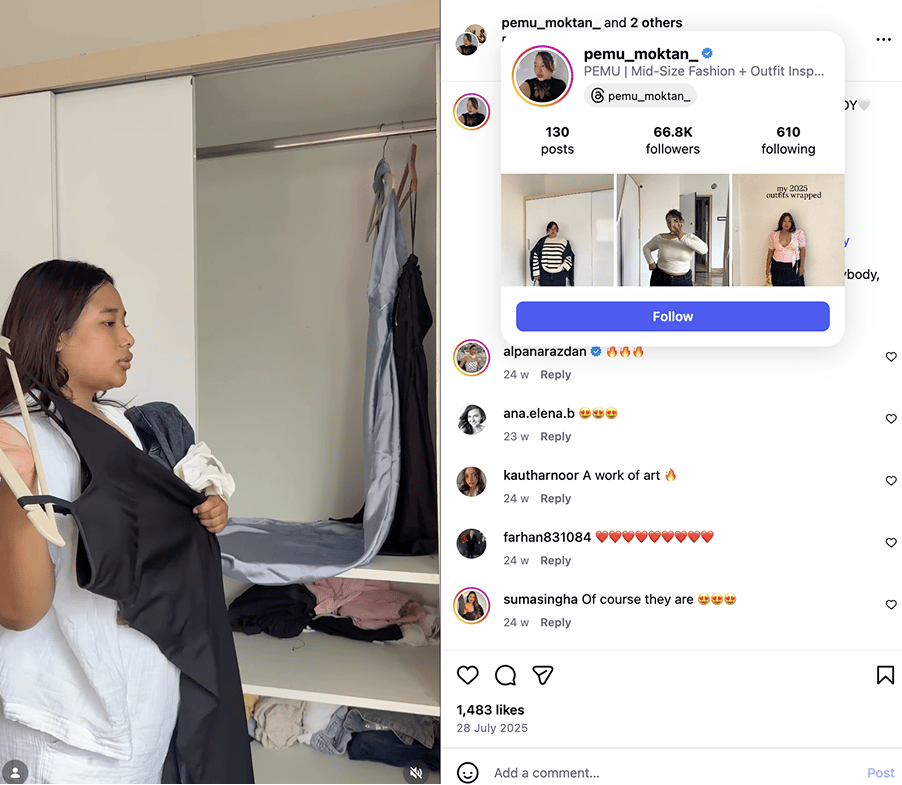
Even with a celebrity influencer founder, UnderNeat isn’t relying on Kusha’s star power alone.
UnderNeat is actively using smaller influencers from Tier 2–3 cities. An example of a mid-level Tier 2 influencer hired by UnderNeat
What This All Means
Recent industry studies show companies make around $6.50 for every $1 they put into influencer marketing.
But that average hides everything. Some brands are making 10x returns. Some are losing money.
Influencer marketing ROI in India ranges from 4x to 10x, depending on niche, format, and execution.
"Depending on niche, format, and execution" is doing a lot of work in that sentence. It's the difference between printing money and burning it.
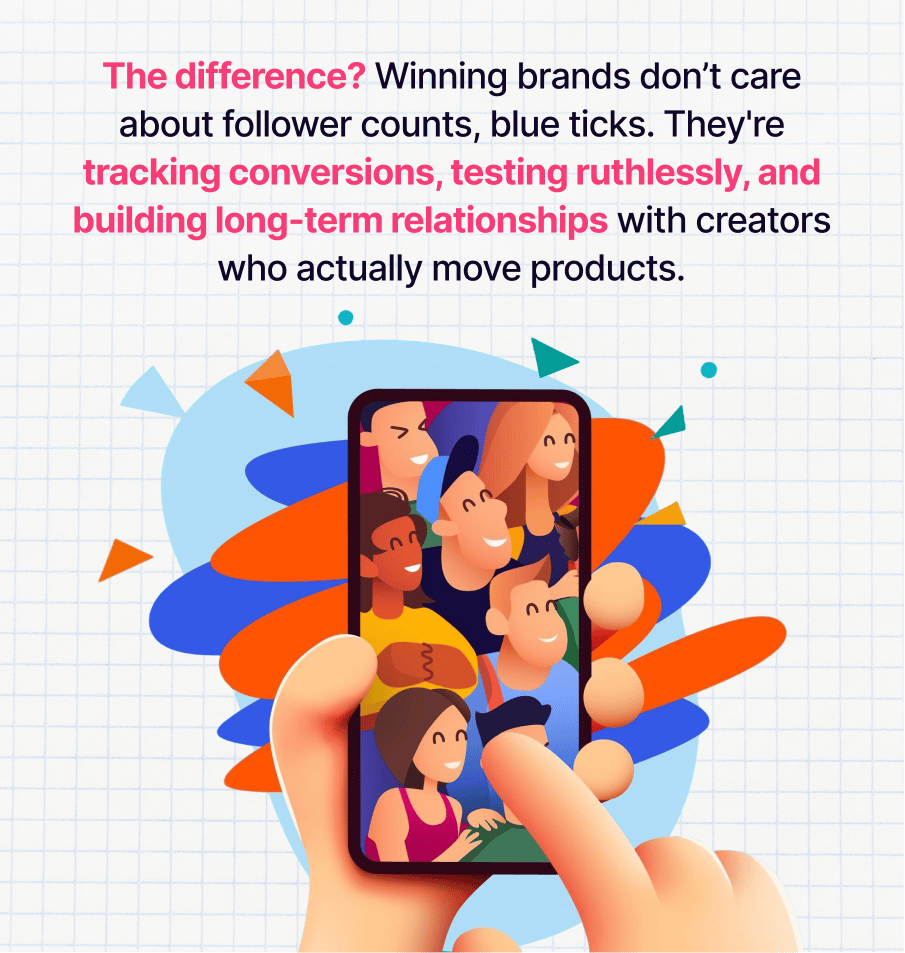
Start small, track everything, double down on what works, ignore what looks impressive but doesn't convert.
Most brands are still doing it backwards. They're paying for reach when they should be paying for trust. They're buying impressions when they should be buying conversions.
The opportunity right now, in early 2026, is massive. Because while everyone's still chasing macro influencers, you can lock in relationships with 20-30 nano influencers who actually move product.
By the time everyone figures this out, you'll already own those relationships.
Are you ready to rethink your entire influencer strategy?


See you next edition - same time, deeper insights.
Until then, keep building strategically.
Abhishek