- Merito
- Posts
- The guaranteed shark tank spike
The guaranteed shark tank spike
The Momentum? That's On You.
D2C x Shark Tank
Hey readers,
Welcome to the fifteenth edition of D2C Cents!
TLDR - We are your scroll-friendly, no-fluff download of what's shaping India's D2C brands.

This edition? We all know the Shark Tank playbook by now: Pitch your heart out, land a deal (or don't), and watch the spike happen.
Skippi Ice Pops went from ₹5 lakh to ₹2 crore monthly revenue, a 40X jump.
Ghar Soaps saw website visitors explode from hundreds to 7,000 at peak, generating ₹14 lakhs in two days.
Hammer Lifestyle's sales hiked 500%, tripling revenue.
But what happens on Day 8?
Because while everyone's Googling your brand on Day 1, by Day 30, most founders are back to square one, wondering where all those customers went.
The spike is guaranteed. The momentum? That's on you.
Let's break down how D2C founders can turn a 7-day traffic surge into 90-day sustained growth, and beyond.

Appearing on Shark Tank India provides the equivalent of a national TV ad campaign that you could never afford.
A 30-second national TV spot costs lakhs. On Shark Tank, you get 15-30 minutes of extended storytelling, complete with your backstory, product demo, and emotional connection with millions of viewers.
The brands that got the spike, then failed:
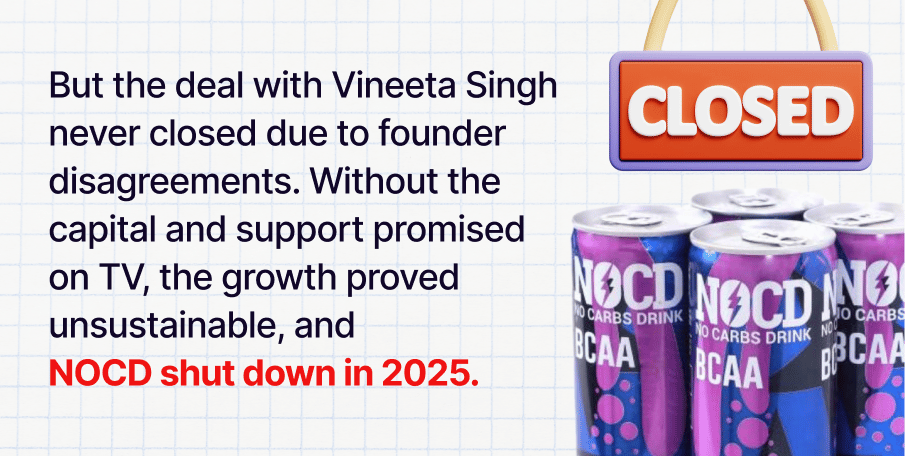
NOCD appeared on Shark Tank India Season 1 and saw explosive growth, monthly sales jumped from ₹7–8 lakh to ₹50–60 lakh, and later reached ₹1.8 crore by mid-2024.
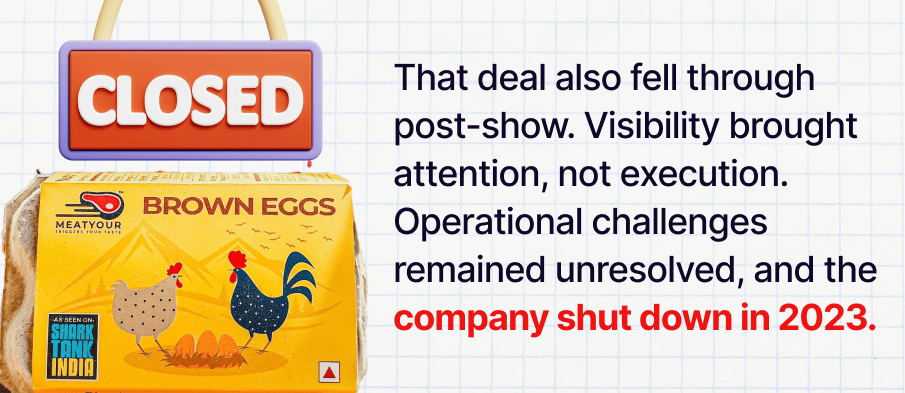
Meatyour (egg farming company from Pune) appeared in Season 1 Episode 10, secured a deal from Aman, Anupam, and Peyush.
The spike reveals your weaknesses. If your operations, supply chain, customer service, or product quality can't handle 10x demand, the spike will expose it fast.

To hold momentum, you first need to perform well DURING the spike. That means planning ahead so you can serve your first-time buyers (FTBs) properly and create a strong first impression.
Brands often don't know exactly when their segment will air. The production team gives you a window, but the exact date? That can shift.
But that doesn't mean you can't prepare.
Align your vendors & investors early
Inventory: The worst thing that can happen is going viral and running out of stock. Hammer Lifestyle's founder revealed post-episode that "products were out of stock and inventory was sold out" after the Flatheads segment aired. That's great for social proof, but terrible for revenue capture.
Work backwards from your expected air date.
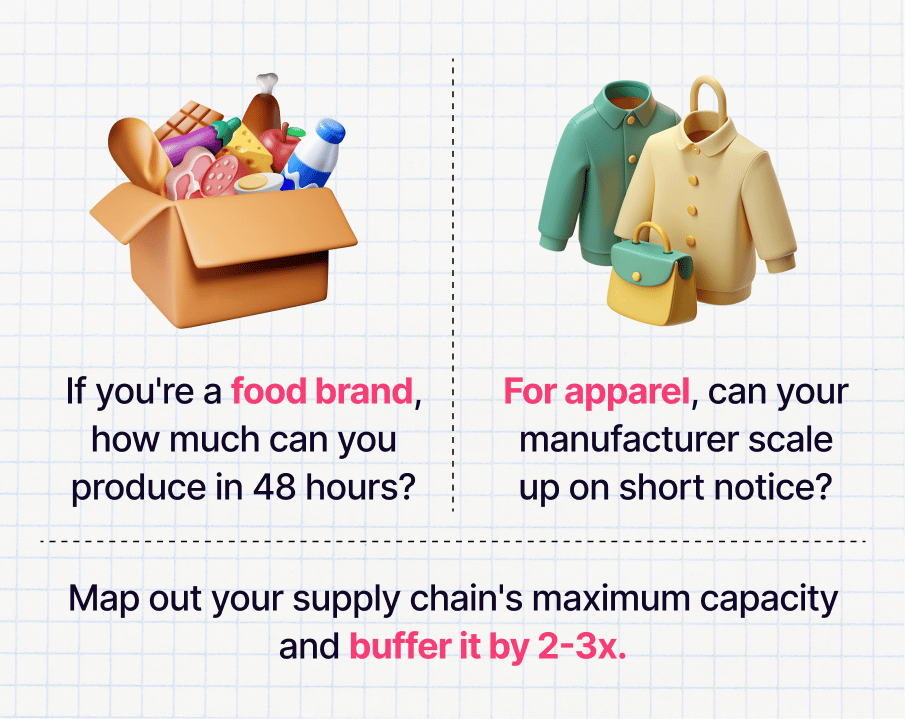
Lending & working capital: Shark Tank exposure often creates immediate cash flow needs. You need to fulfill orders, restock inventory, and scale operations overnight. Have conversations with lenders early. Platforms offering working capital loans or invoice financing can help you capitalize on the spike without scrambling for cash.
Customer service SOPs: Your CS team needs to be ready for 10x inquiry volume. Remember, you're acquiring NEW customers during this spike, so CS queries are bound to increase.
Create templated responses for FAQs, hire temp support if needed, and ensure your helpline/email doesn't crash under pressure.
Time your content across platforms
One mistake brands make: They treat TV, app, and YouTube as the same thing. They're not.
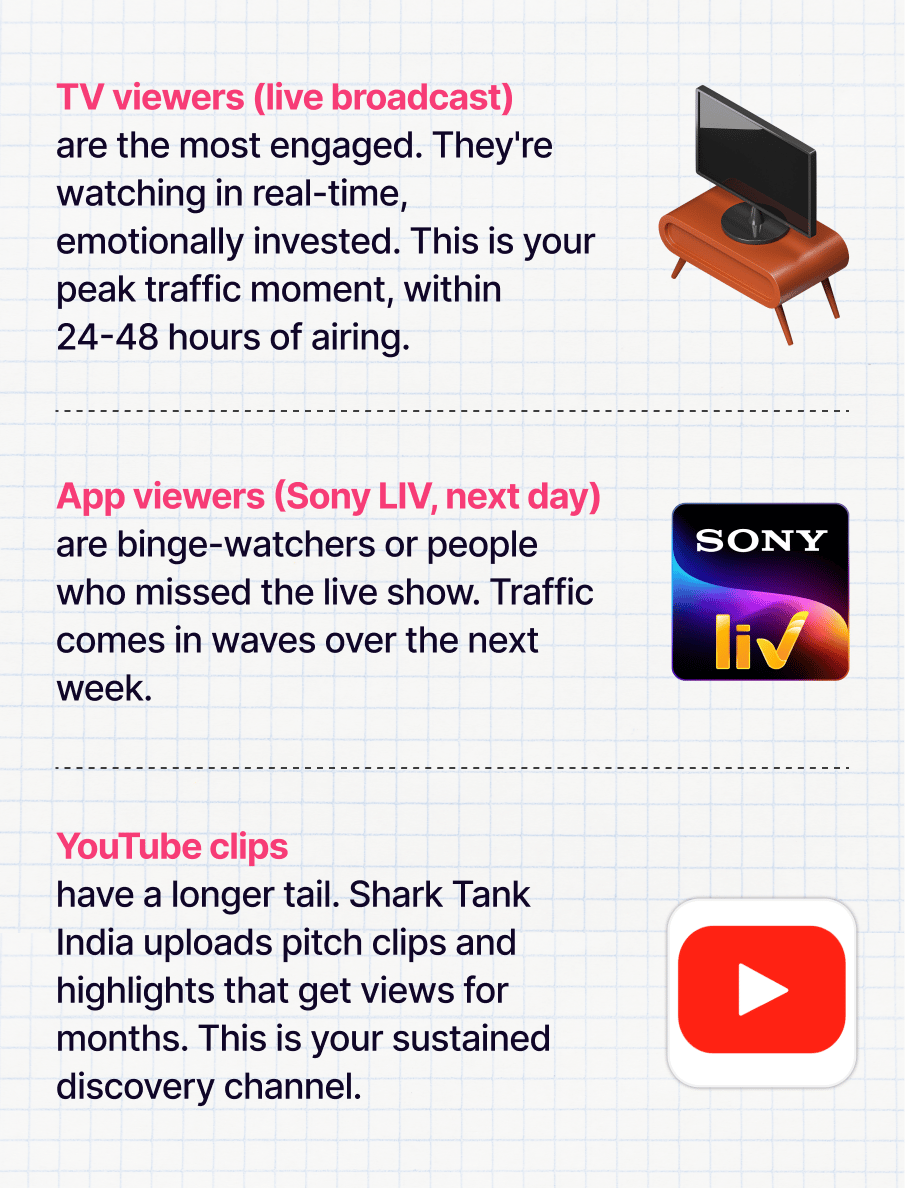
What to do: Prepare different content hooks for each platform.
Launch limited-time offers during the live broadcast.
Run retargeting ads for app viewers who binged over the weekend.
Create YouTube-friendly SEO content for long-term discovery.
Launch special edition products (like GOAT Life did)
GOAT Life, the overnight oats brand featured in Season 5 Episode 4, didn't just sit back and wait for the spike. When their segment aired on January 9, 2026, they launched special "Shark boxes" timed to the episode, capitalizing on the buzz and giving customers a reason to buy now, not later.

But a limited-edition Shark Tank bundle? That's a story customers want to be part of.
Here's where it gets tactical, especially for food and beverage brands.
Your Shark Tank spike will hit different channels differently. If you're not aligned with the right platforms, you'll miss sales.
For food brands: Quick commerce is king
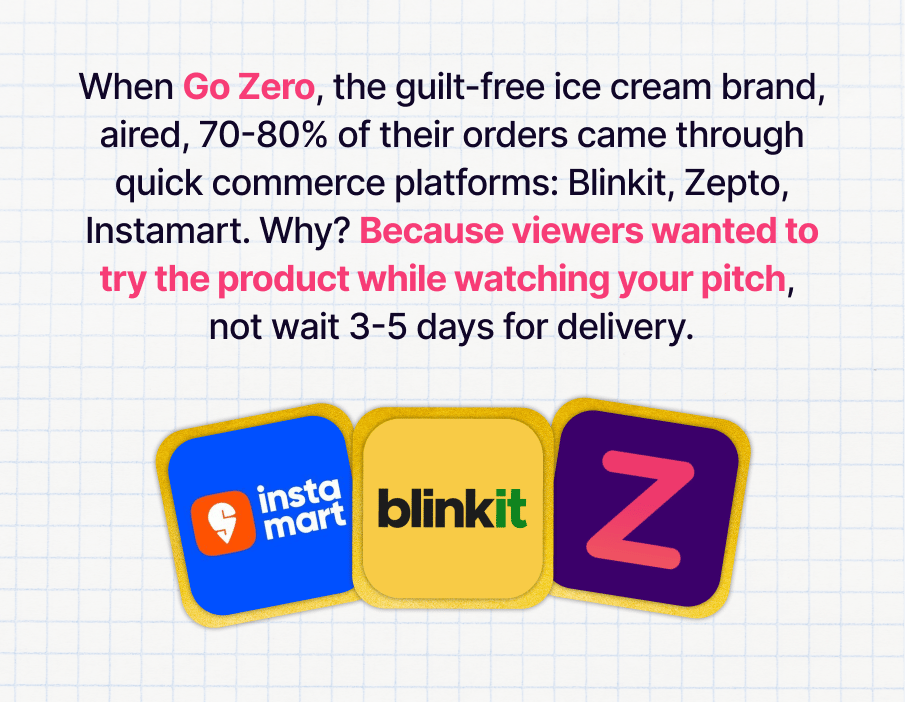
When their episode aired (in January, typically the lowest sales month for ice cream), it became their best sales month ever, even surpassing the previous summer season.
Founder Kiran Shah later posted on LinkedIn: "Our HIGHEST EVER daily sale on Blinkit. In the coldest month of the year. Shark Tank India fever is on."
If you're a food/beverage brand, ensure you're live on quick commerce platforms before your episode airs. Work with their category managers to stock up inventory and negotiate better placement during your spike week.
For fashion/lifestyle: Marketplaces + D2C
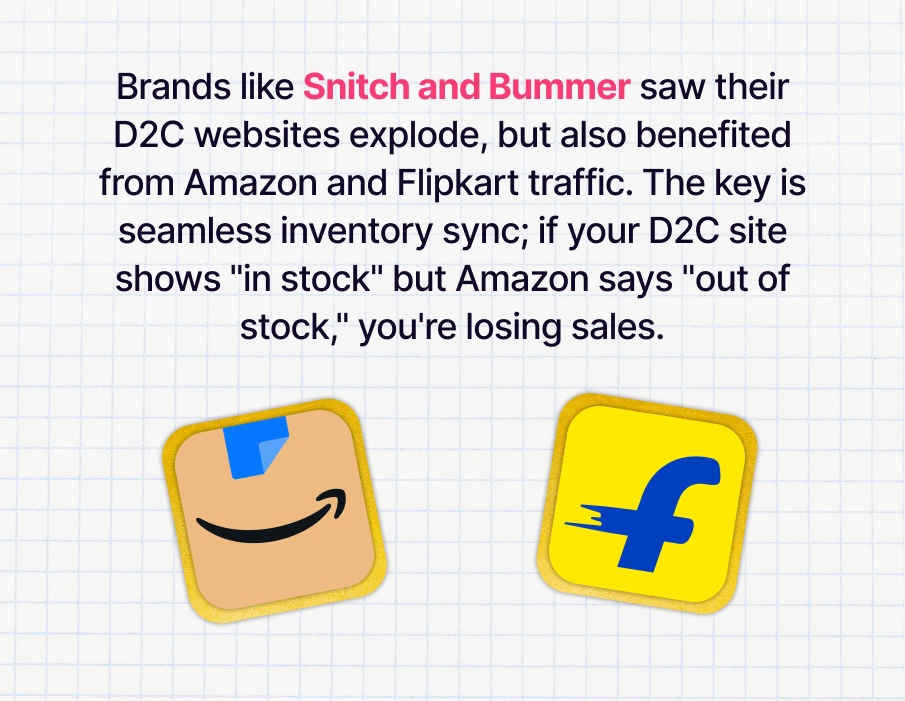
Use an inventory management system that syncs across all channels in real-time. Prioritize your D2C site (higher margins), but don't neglect marketplaces (higher discovery).
For premium/niche products: D2C first
Optimize your D2C experience, fast checkout, mobile-friendly, clear product photography, and a compelling brand story front and centre.

People are Googling your brand name as well as you.
When your episode airs, viewers want to know who the person behind the product is. Your LinkedIn, Instagram, Twitter, and everything gets searched.
If your personal profiles are empty or inactive, you're leaving money on the table.
Why founder branding matters:
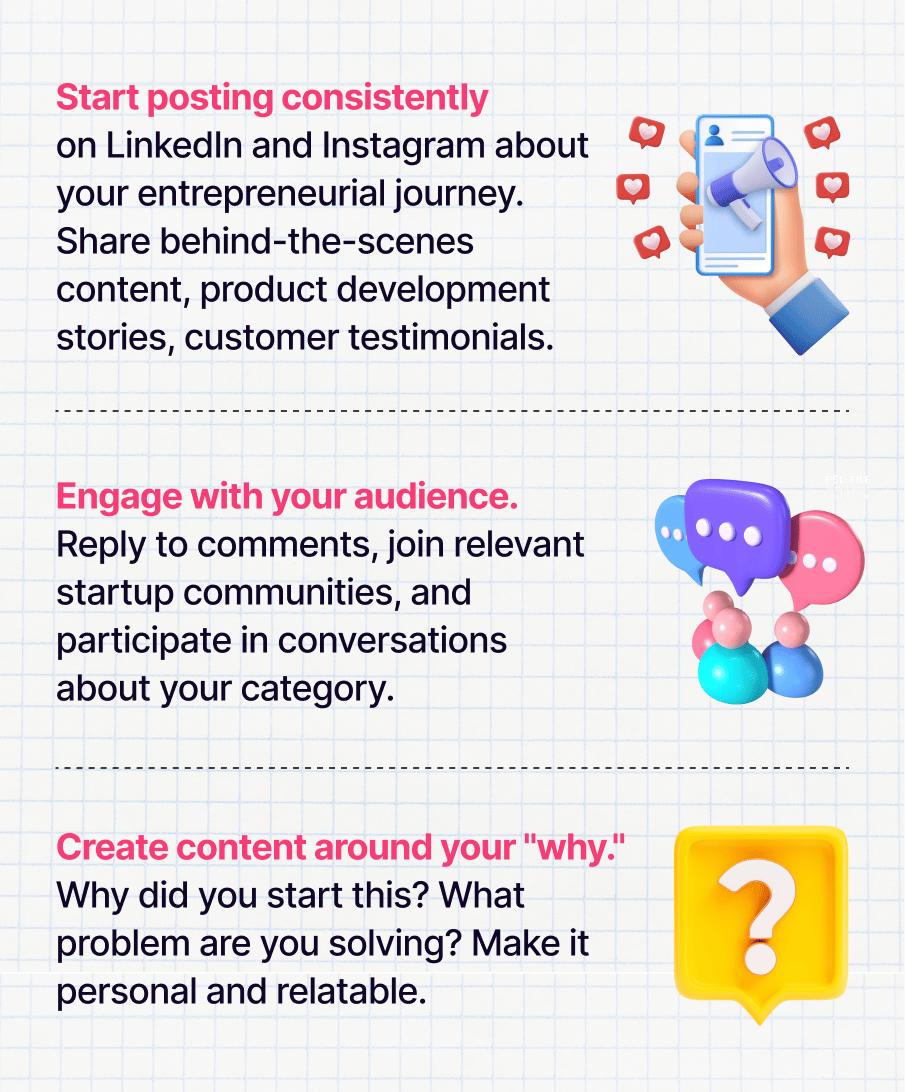
You become the face, not just the product. Ashutosh Roy from Offmint returned on Shark Tank India Season 4 with his comeback story. After his Season 2 appearance, he lost his father in a train accident the same day the episode aired. He still pushed forward and rebuilt Offmint. His story moved the sharks, earning him an all-5 sharks deal. For Offmint, the founder’s journey became the brand.
Search intent splits 50-50. Half the audience searches for the brand. The other half searches for the founder. If you don't show up in both searches, you're losing half your potential customers.
Post-show content becomes easier. If you've been building your founder brand for months, sharing your journey, challenges, and wins, you have a library of content ready to amplify post-airing.
What to do before you know your air date:
Some founders even capitalize on their Shark Tank journey before the episode airs.
They tease the announcement, build anticipation, and create a narrative arc that keeps their audience engaged, turning the air date into an event, not just a surprise.
This is where most brands fail.
You got the spike, traffic, and ultimately, orders. But if those customers don't come back, you just spent your Shark Tank moment on one-time buyers.
The harsh truth about Shark Tank customers:
They're curious, not loyal. They bought because of the hype, not because they love your brand (yet). Your job is to turn that curiosity into loyalty.
How to drive repeat purchases:
They're curious, not loyal. They bought because of the hype, not because they love your brand (yet). Your job is to turn that curiosity into loyalty.
1. Set up your CRM journeys before you air
Welcome series: New customers should get a personalized email thanking them, introducing your brand story, and explaining what makes your product special.
Post-purchase engagement: Send care instructions, usage tips, or recipe ideas (for food brands). Make them feel like they made the right choice.
Replenishment reminders: If your product is consumable (skincare, snacks, supplements), trigger a reorder email 2-3 weeks before they're likely to run out.
2. Call high-value customers: Yes, actually call them. Skippi's founders reportedly personally reached out to key customers post-Tank to thank them and gather feedback. That kind of personal touch creates brand evangelists.
3. Leverage social proof: Your Shark Tank appearance is social proof on steroids. Use it everywhere:
homepage badges ("As Seen on Shark Tank India")
product pages
email signatures, and
Instagram bio.
Keep reminding customers why they discovered you in the first place.
Closing Thought: Shark Tank Gives You the Stage. You Have to Perform.
The Shark Tank effect is real. 300-500% spikes are guaranteed.
But the spike doesn't build your business. You do.
Brands that treat Shark Tank as a one-time marketing stunt fade by Day 30.
So if you're a founder heading to the Tank (or dreaming about it), ask yourself:
Are you ready for the spike and the momentum?
Because the difference between the two is what separates viral from valuable.

See you next edition - same time, deeper insights.
Until then, keep building strategically.
Abhishek